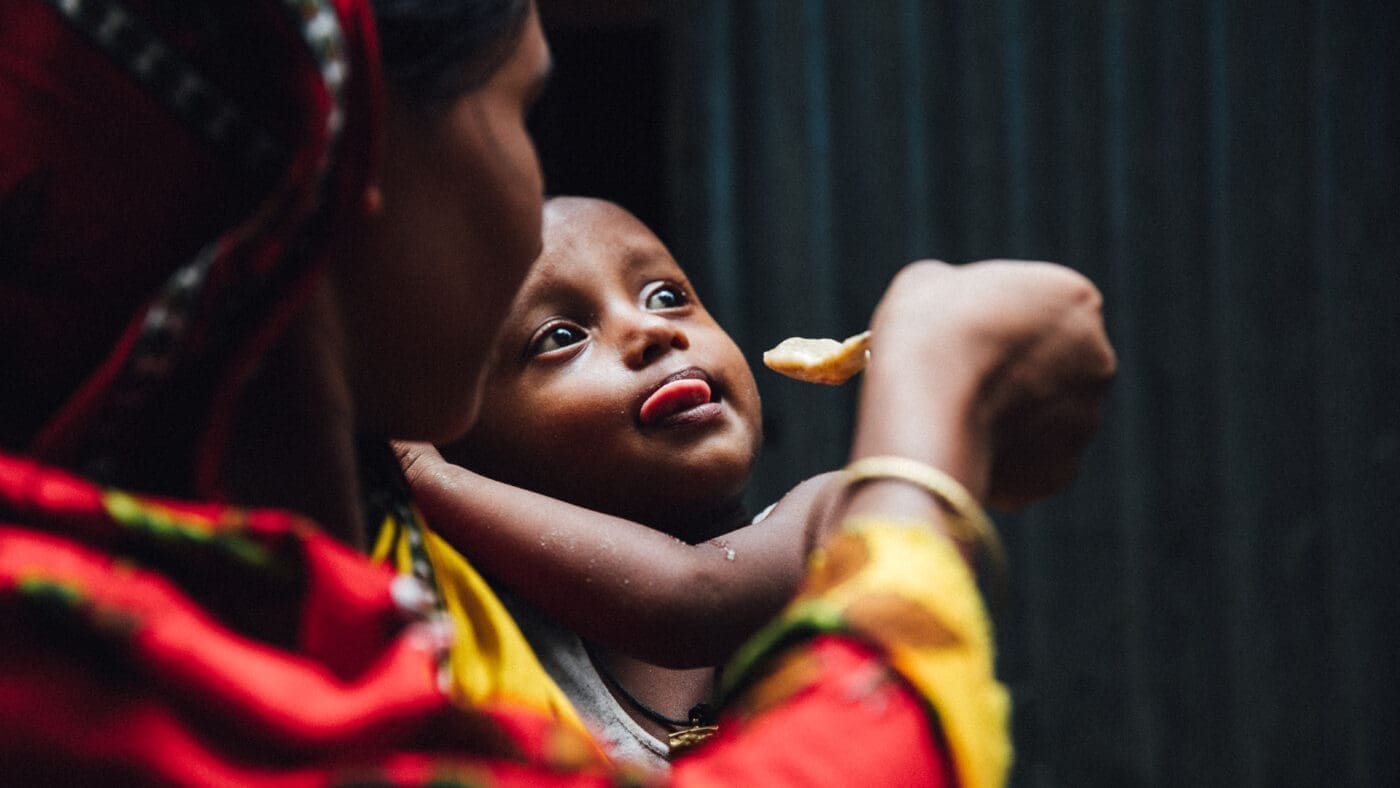
Child Nutrition
The First 1,000 Days
The first 1,000 days of life shape us in ways that last a lifetime. Without enough food, children can suffer long-term consequences.
children suffer from severe malnutrition
children die of hunger each year
of all WFP’s beneficiaries are children
THe Critical first 1,000 days of life
Hunger claims the lives of more than 3 million children each year.
Shockingly, 45%of deaths among children under age 5 are caused by malnutrition.
If they survive, not having enough to eat during the first 1,000 days of life—from pregnancy to a child’s second birthday—can cause irreversible damage to their mental and physical development.

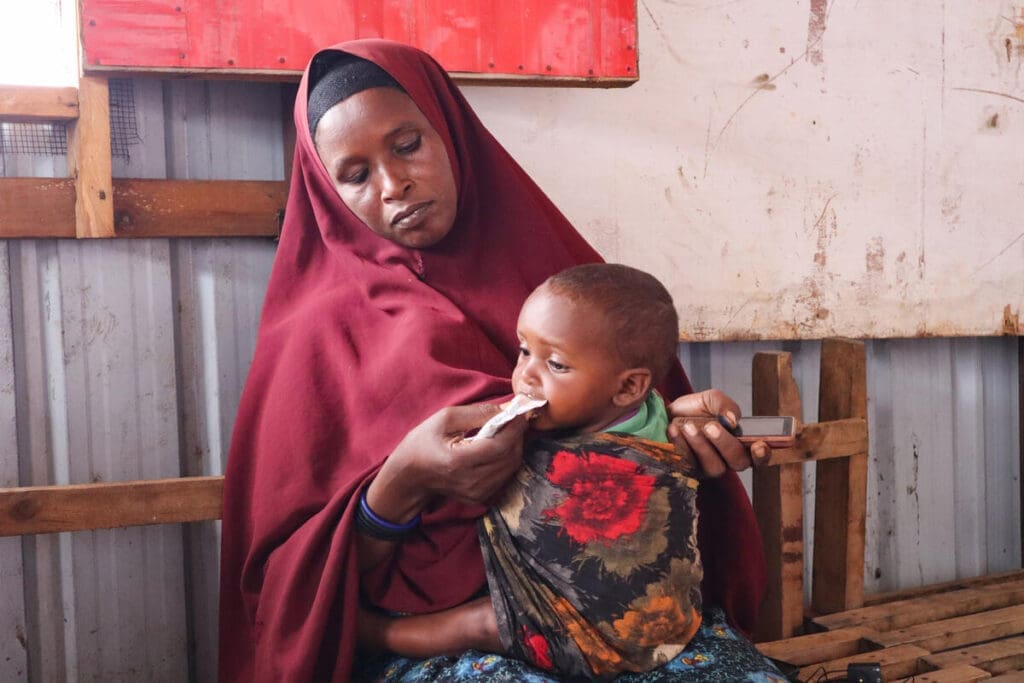
Specialized food to treat child malnutrition
That’s why WFP designs programs and food items specifically to treat and prevent malnutrition in mothers and children. Through education and specialized food packets for very young children, WFP can bring them back from the brink.
WFP also works with local governments to build long-term solutions and influence the global conversation about food policy and nutrition security. To fix the underlying causes of malnutrition, WFP collaborates with partners in other industries who can help integrate nutrition considerations into complimentary programs.
Last year, WFP reached more than 28 million mothers and children with specialized nutritional support. These mothers and children depend on you to receive the nutrition required to live a life filled with promise and potential.
See Why Child Nutrition Matters
Help Save Children’s lives today
By donating to WFP, you can provide specialized lifesaving nutrition to children and babies during their first 1,000 days of life.