Conflict has pushed millions of people into alarming levels of hunger. We urgently need your help to send them food and save their lives.
How
Conflict
Drives Hunger
Conflict forces families from their homes, destroys economies, ruins infrastructure and makes food nearly impossible to find or afford. As the recipient of the 2020 Nobel Peace Prize, the United Nations World Food Programme is there before, during and after upheaval to help families survive and recover.
65%
of the world’s hungriest people live in conflict-affected areas.
120 Million
have been displaced from their homes by persecution, conflict or violence.
#1
Conflict is the primary driver of hunger in the world.
World's Worst Conflicts
Gaza
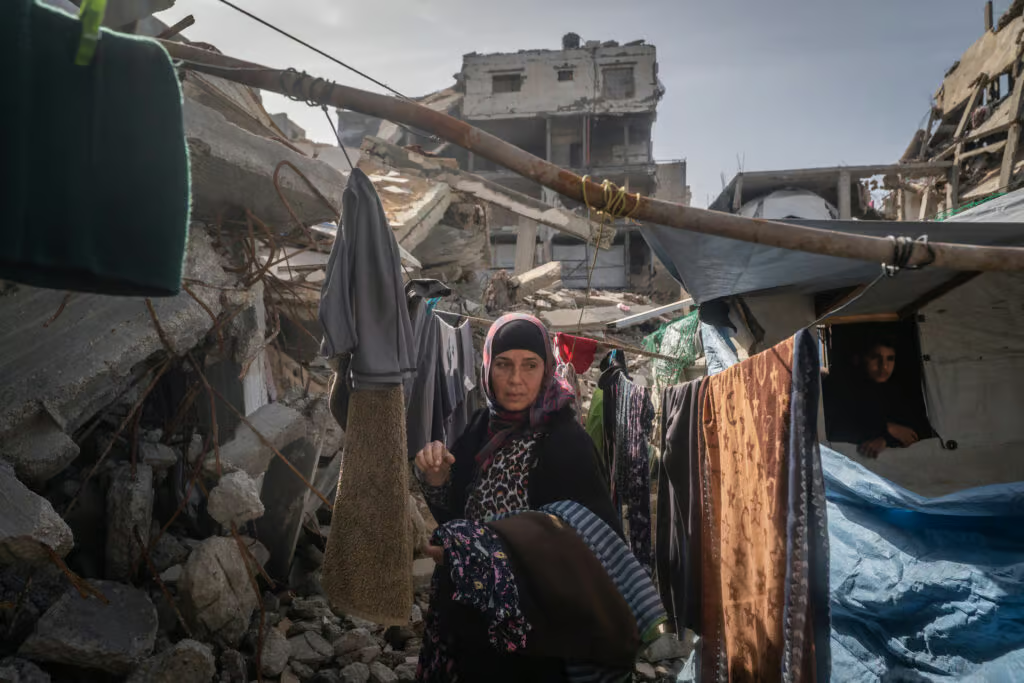
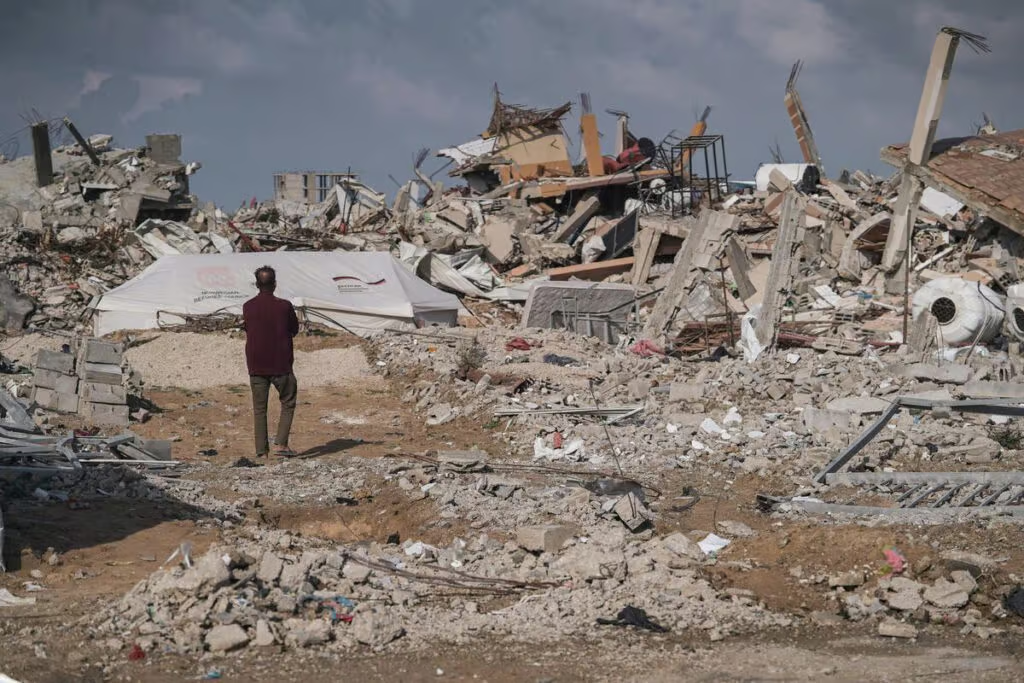
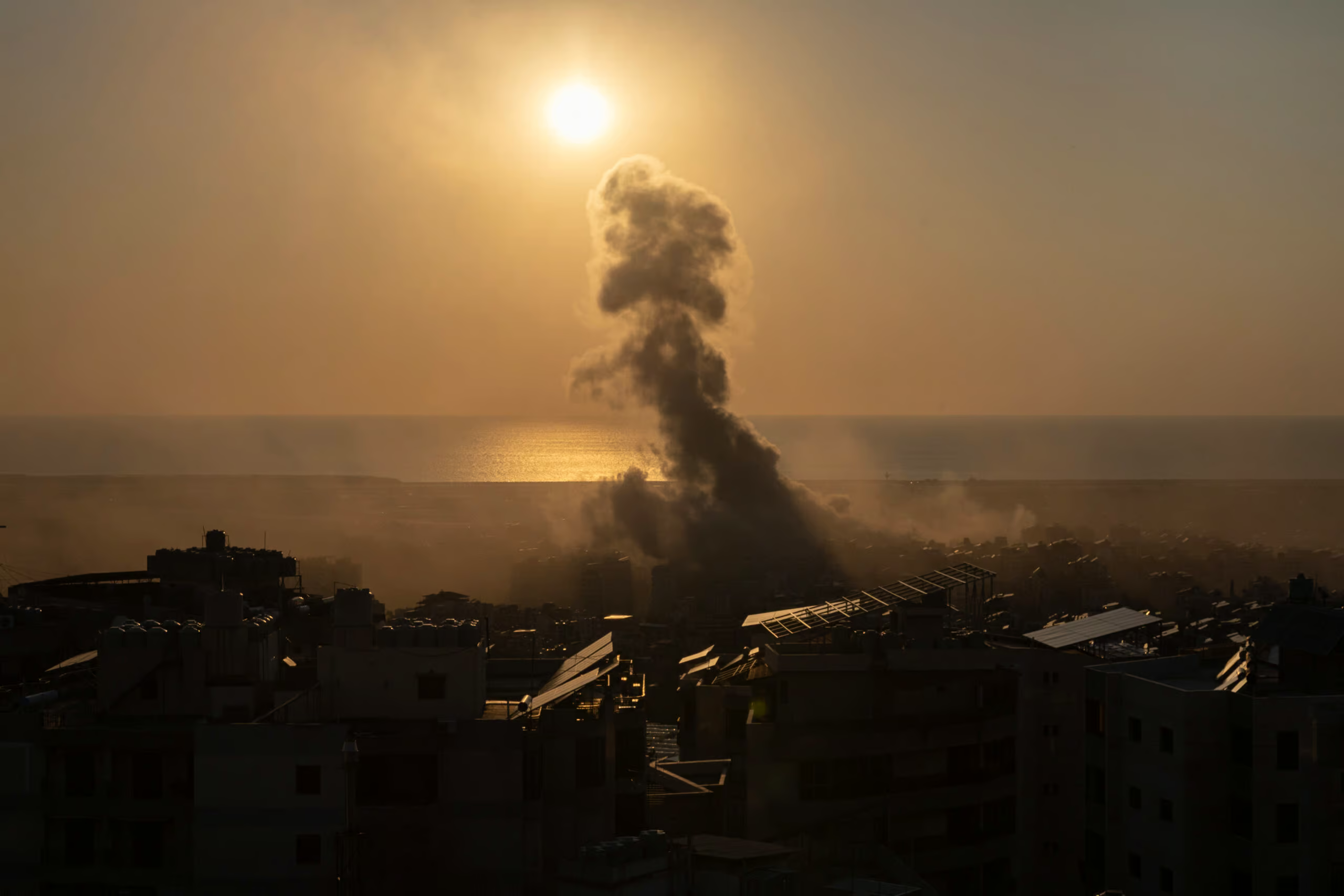
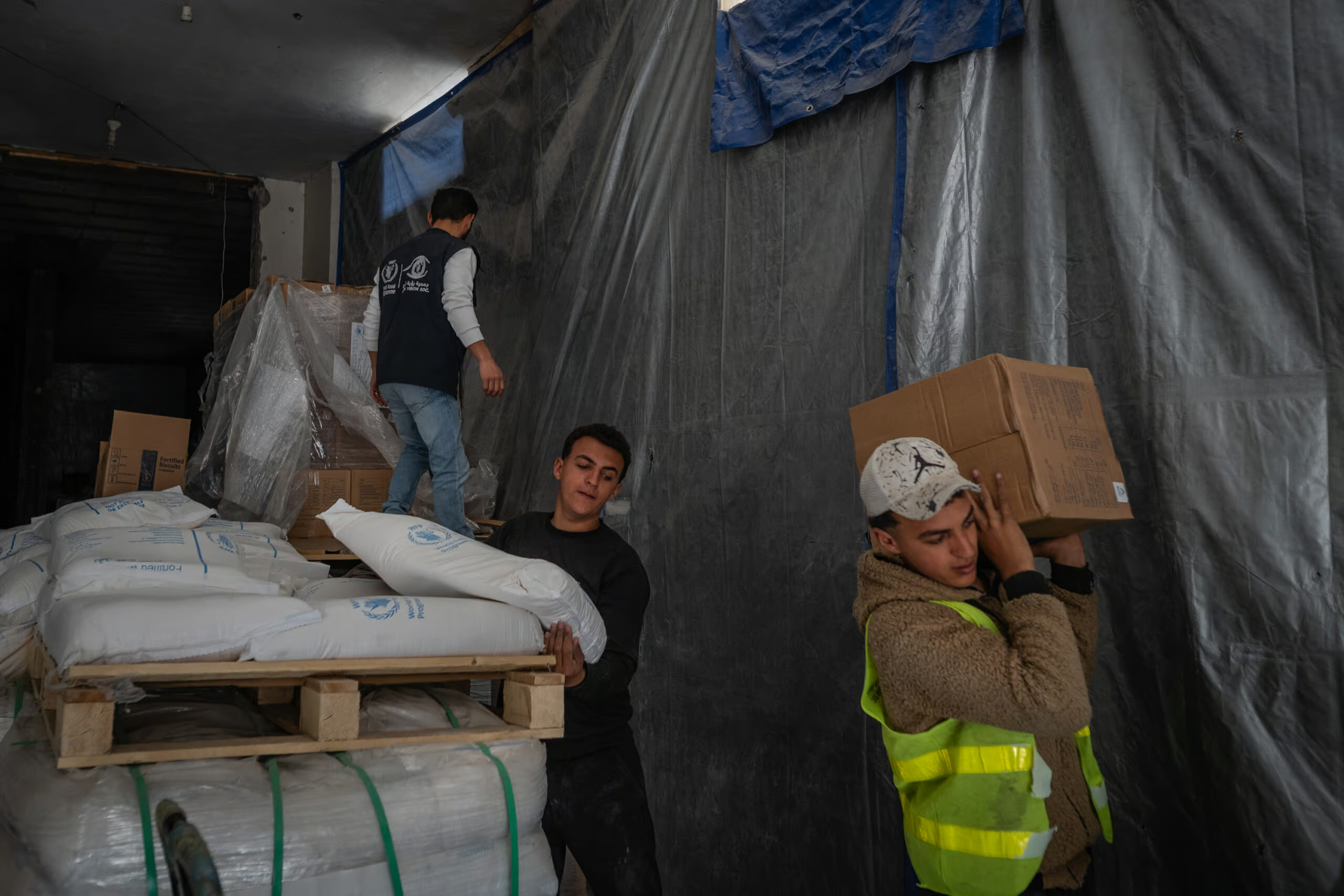
Over 2 years of conflict in Gaza has decimated the region and left 1.6 million people hungry.
When violence erupts, it sends shock waves through the region. Infrastructure is destroyed, imports cease, inflation rates rise, currency devalues, roads are cut off and jobs are lost. All of this makes it exceedingly difficult for people to find enough food.
Refugee Crises
Next, when it’s no longer safe at home and people can’t make ends meet, many of them have no choice but to leave – often bringing only what they can carry. Without resources, finding food in isolated, often bleak environments, becomes even harder.
Child Malnutrition
Finally, the combination of destabilization and displacement almost inevitably leads to hunger, which is especially cruel to children. A child living in a country ravaged by violence is more than twice as likely to be malnourished and to be out of school.
WFP in Conflict Zones
See how we sow peace and save lives. The United Nations World Food Programme (WFP) faces conflict head-on and goes where others can’t. With your support, we reach the most vulnerable people in the world.
Food Aid
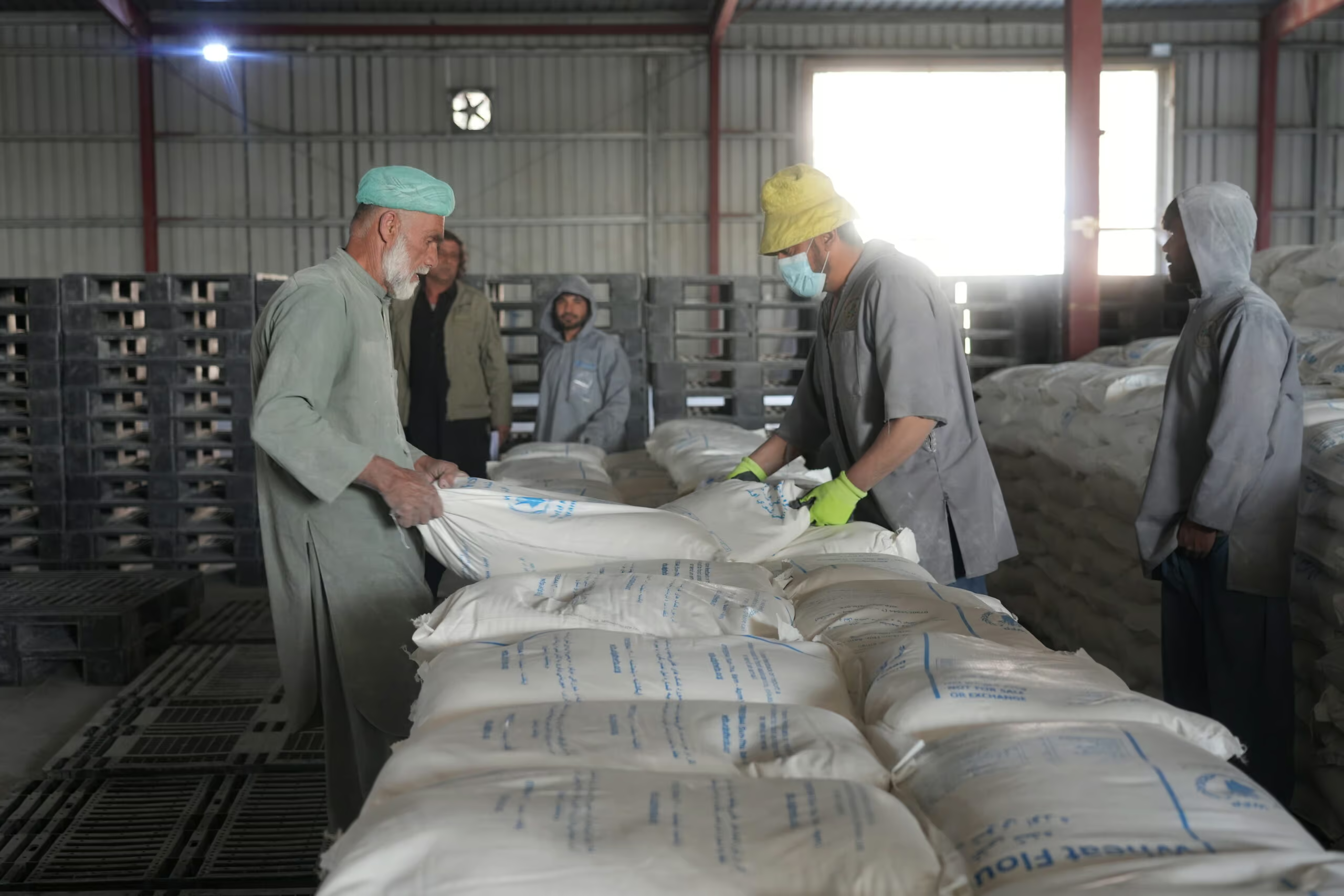
WFP provides lifesaving food and specialized nutrition to the most desperate people in conflict zones. From dried grains and beans to fortified powders and high-energy biscuits, we deliver the right food at the right time.
Sometimes food is still available during conflict but it’s unaffordable because of inflation. That’s when WFP provides cash-based assistance in the form of food vouchers or debit cards so families can buy food locally.
In conflict, children are often pulled out of school to help earn money, work around the house or care for younger siblings. Our school meals help keep them in class and provide critical calories they can depend on.
WFP combines short- and long-term assistance to build back people’s self-reliance. We rehabilitate land, train small-scale farmers, teach job skills and build vital infrastructure like bridges and roads.