Why Does Hunger Still Exist? And How Do We Solve It?
In our modern society, why are people still hungry? Even though there’s more than enough food to feed everyone, millions of people experience hunger.

In our modern society, why are people still hungry? Even though there’s more than enough food to feed everyone, millions of people experience hunger.

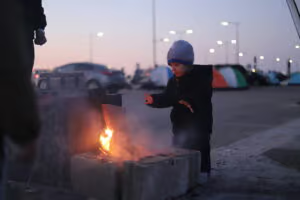
In 2025, partners of every kind — from large corporations to faith groups and foundations — joined World Food Program USA to advance the mission of the World Food Programme. Here are just a few ways their resources, knowledge and skills helped move the world closer to Zero Hunger.

WFP USA’s 2025 Statement of Impact highlights the growing global hunger crisis and how WFP responded throughout the year to deliver lifesaving assistance in some of the world’s most fragile contexts.Â

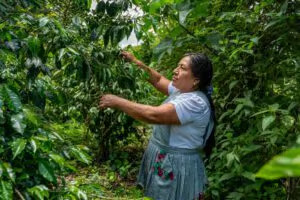
The Resilient Coffee-Growing Communities project, supported by Starbucks Coffee Company and implemented by WFP in collaboration with local partner Funcafé, brings farmers the training, techniques and tools needed to protect their crops.

When the world feels chaotic, it’s normal to feel helpless. This guide offers simple, evidence-informed ways to shift from paralysis to purpose.

We recently sat down with Nikki Clifton, president of Social Impact and The UPS Foundation, to discuss our partnership, the importance of logistics in emergencies and how each of us can help build a world without hunger. Â

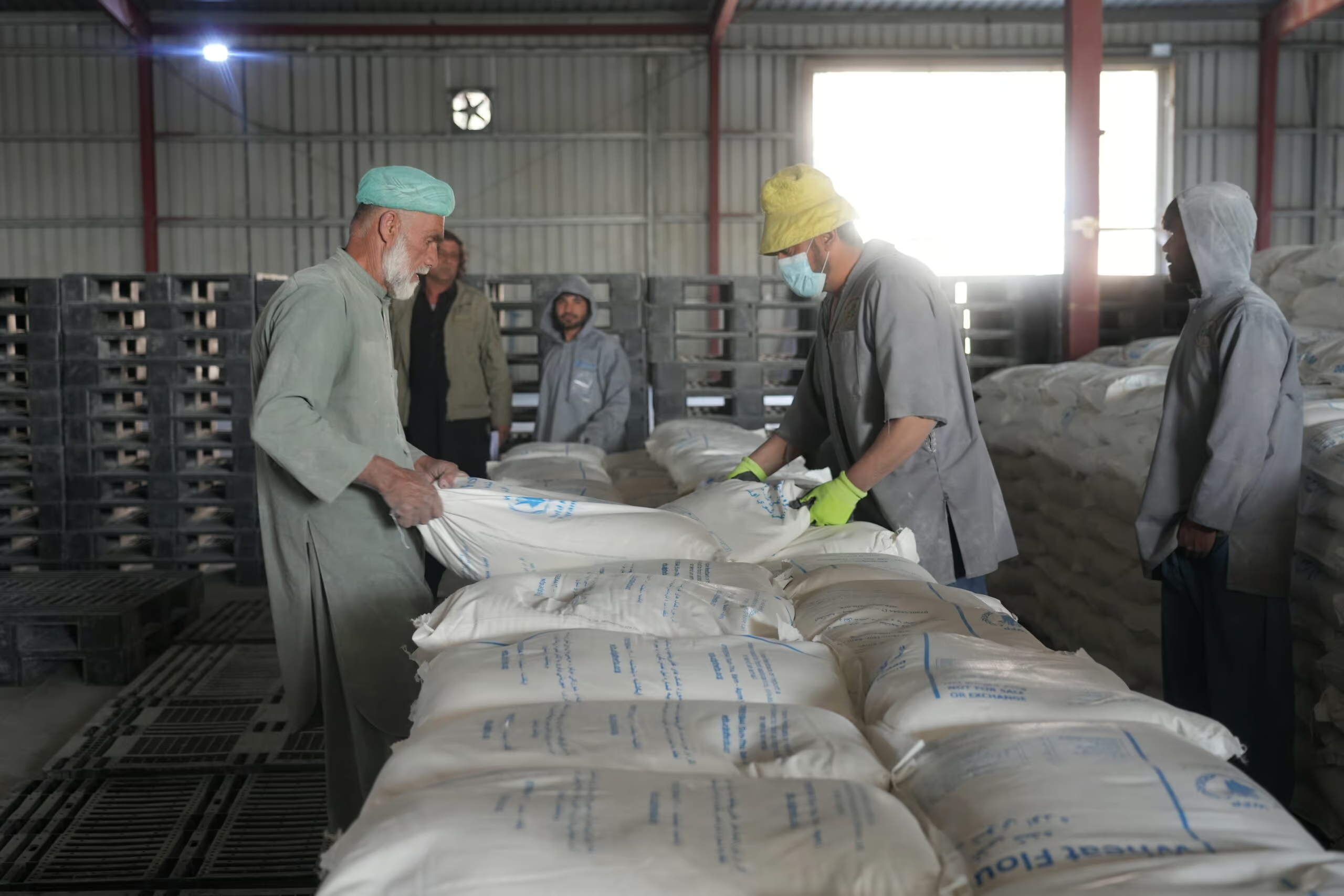
World Food Program USA provided $3.9 million to sustain WFP’s school meals program in Afghanistan. To learn more about the impact of our grant amidst rising hunger in the country, we spoke with WFP Country Director John Aylieff.

Organizations like the World Food Programme use the Integrated Food Security Phase Classification (IPC) to track and measure hunger globally.

College students across the nation are taking actions to help end world hunger through World Food Program USA’s Zero Hunger Generation (ZHG). See how one ZHG member is making a global impact on the fight against hunger with Freerice.Â

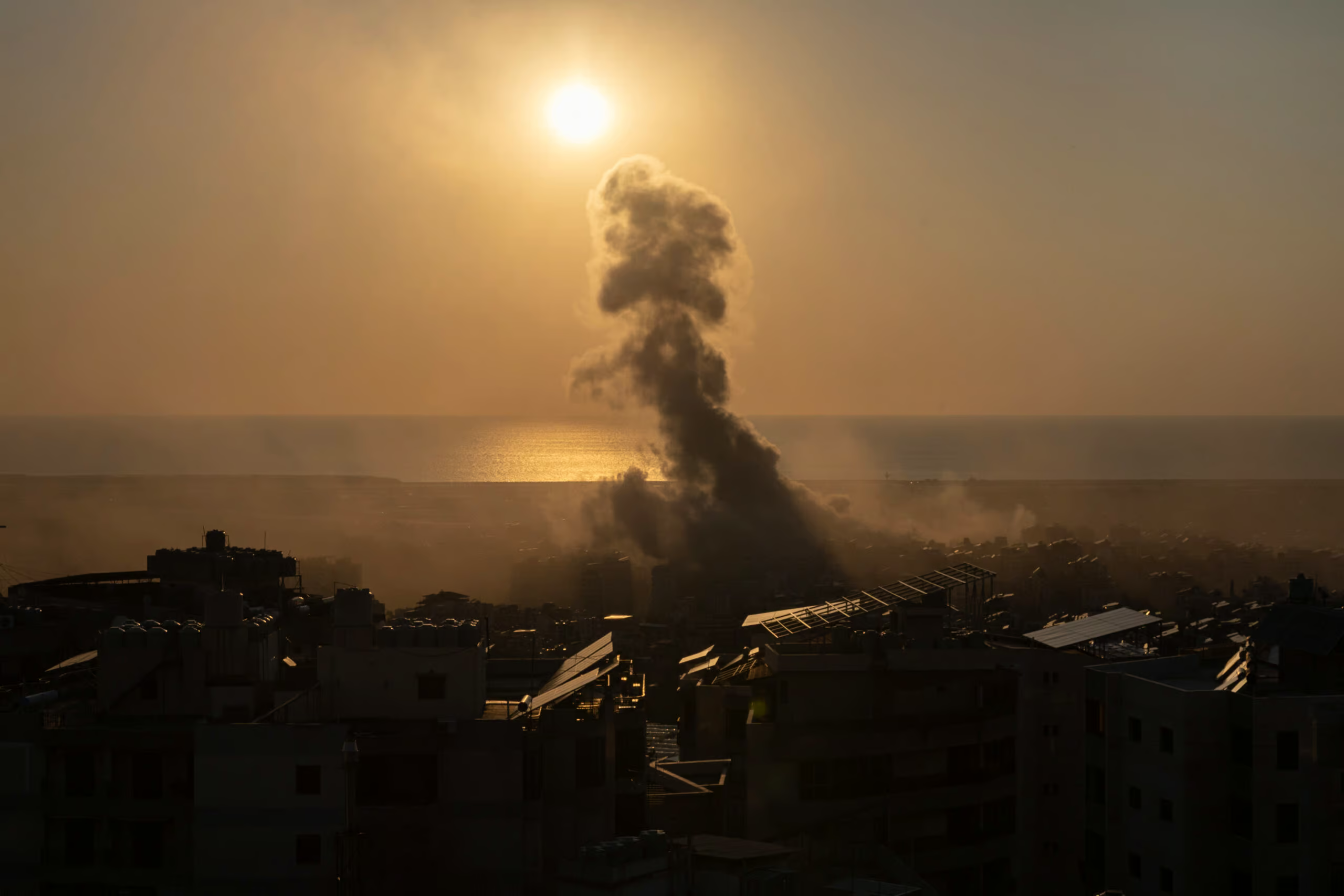
Some of the most vulnerable communities are nearly unreachable, especially those trapped in violent conflict zones or cut off by extreme weather. In these worst–case scenarios, if all other conditions are right, WFP may turn to airdrops as a last resort. Â