The Philippines
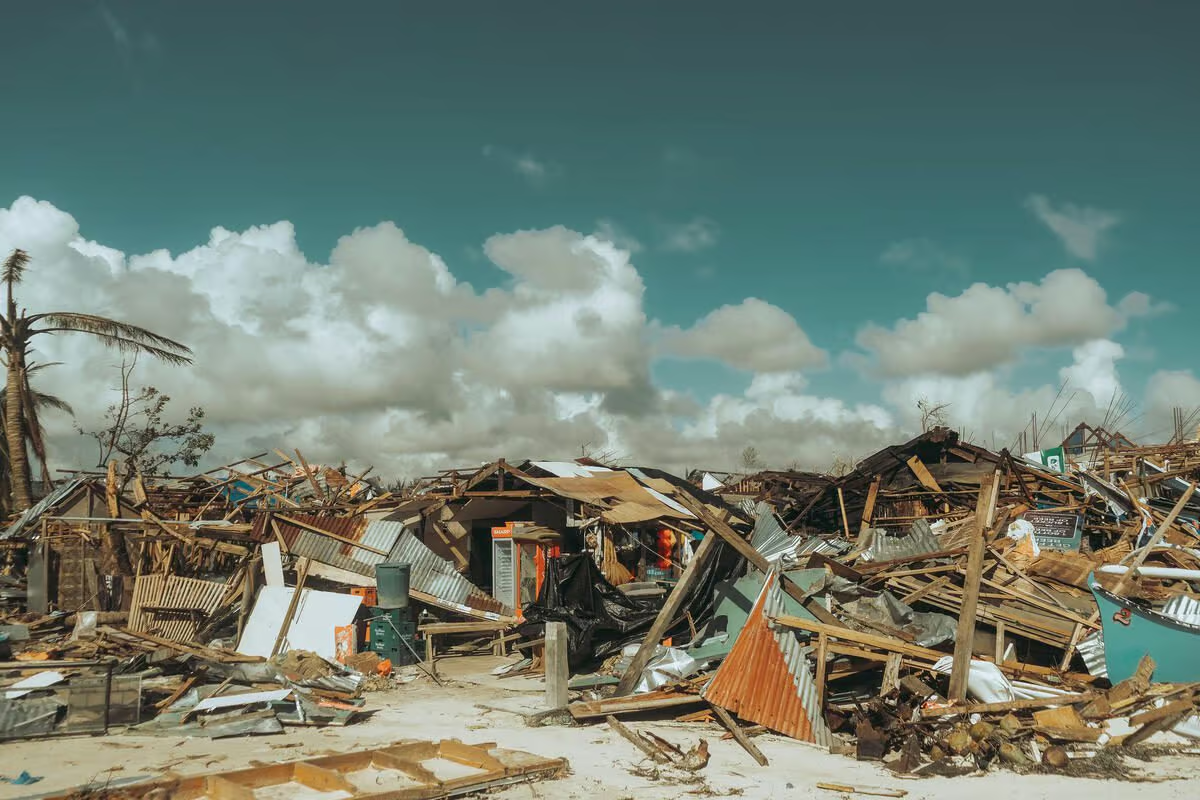
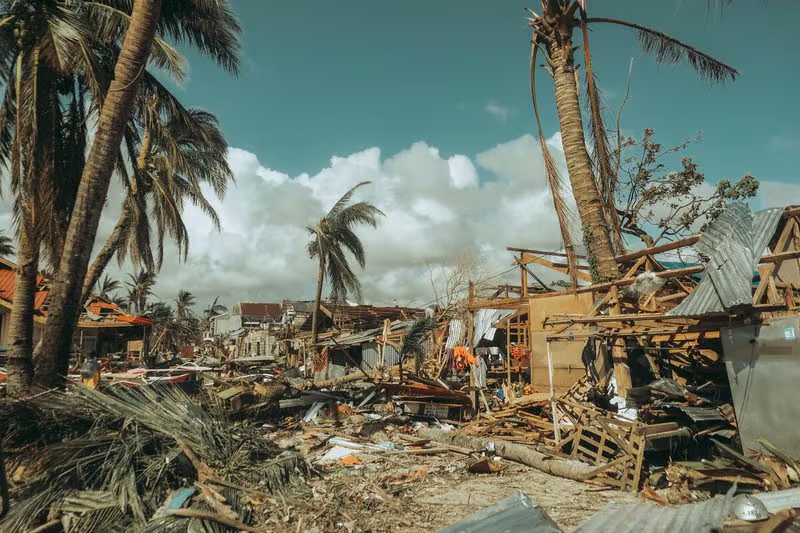
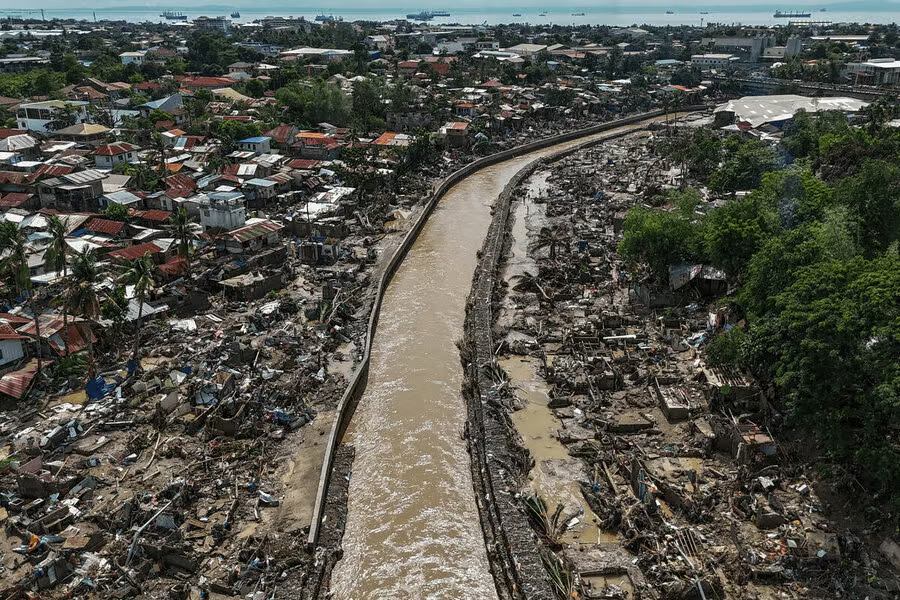
Twin typhoons slammed into the Philippines in November 2025. Now, yet another devastating shock has deepened this crisis: A 7.8 magnitude earthquake struck the Philippines, killing 35 people, injuring more than 200 others and impacting countless more. Families need food now.
Make a difference in The Philippines
Back-to-Back Disasters
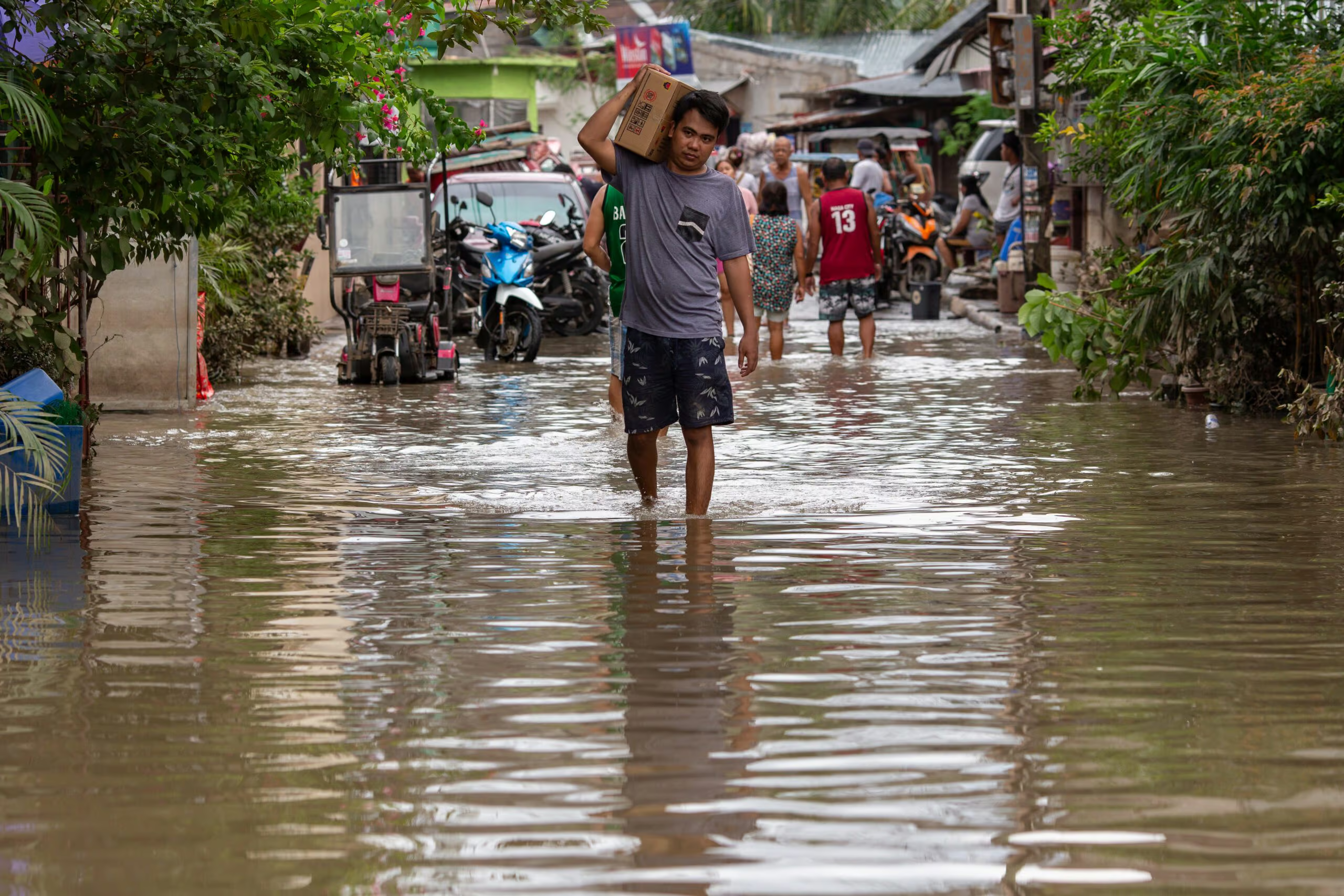
Consecutive typhoons and earthquakes devastated the Philippines in November 2025. Prior to these disasters, WFP provided families with cash assistance to stock up on food, water and medicine.
16M
People were affected by Typhoon Tino and Super Typhoon Uwan.
1.4M
People were displaced by the storms.
210K
Before Super Typhoon Uwan hit, emergency cash transfers reached more than 210,000 people in the storm’s path.
1.3M
WFP reached over 1.3 million people affected by Super Typhoon Uwan.
7,600
The Philippines is an archipelago of over 7,600 islands.
24%
of children under 5 are stunted.
#1
The Philippines is the most disaster prone country in the world.
The Philippines Facts
New York
Show Places

New York
×
Geocoding Error Occured.
Tried to Geocode:
Error Type:
Please be sure to follow the tutorial on how to setup the Google APIs required for the Advanced Google Map Widget.
Google Map API Key Tutorial
Population: 114 million people.
Background: The Philippines was under Spanish rule for more than 300 years. In 1898, it declared independence but later came under U.S. control. It gained full independence in 1946.
Geography & Climate: The Philippines is an archipelago in Southeast Asia in the western Pacific Ocean. It has a tropical climate with high temperatures, heavy rainfall and frequent typhoons
Economy: The Philippines has experienced steady economic growth in recent years, driven by strong domestic consumption, remittances and a growing services sector. However, vulnerability to natural disasters, inflation and global economic shocks continues to challenge stability and slow progress for many communities.
Causes of Hunger in The Philippines
Quakes & Storms
Due to its location, the Philippines is prone to high-intensity hazards including typhoons, floods, earthquakes, landslides, volcanic eruptions and droughts. These shocks drive communities into hunger by destroying homes, farms and infrastructure.
Poverty
Poverty is the root cause of hunger. While rates have declined across the region, poverty in the Philippines is still prevalent among marginalized groups including women, children, farmers and Indigenous Peoples.
WFP’s Work in The Philippines
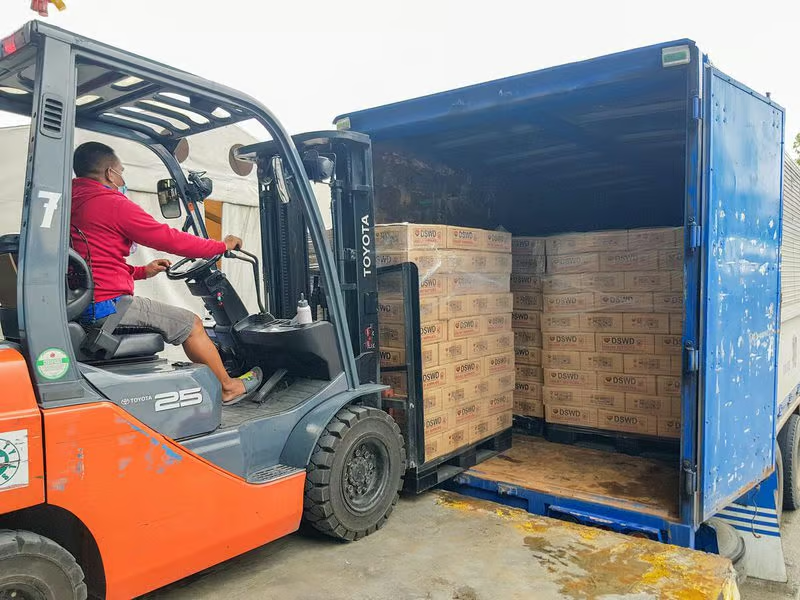
In response to the twin typhoons in 2025, WFP provided emergency food assistance to affected communities. They continue to fight hunger across the Philippines through food, cash and nutrition programs.
Emergency Relief
In the event of a sudden onset emergency, WFP provides food or cash assistance to affected communities, as well as logistics support to government authorities.
School Meals
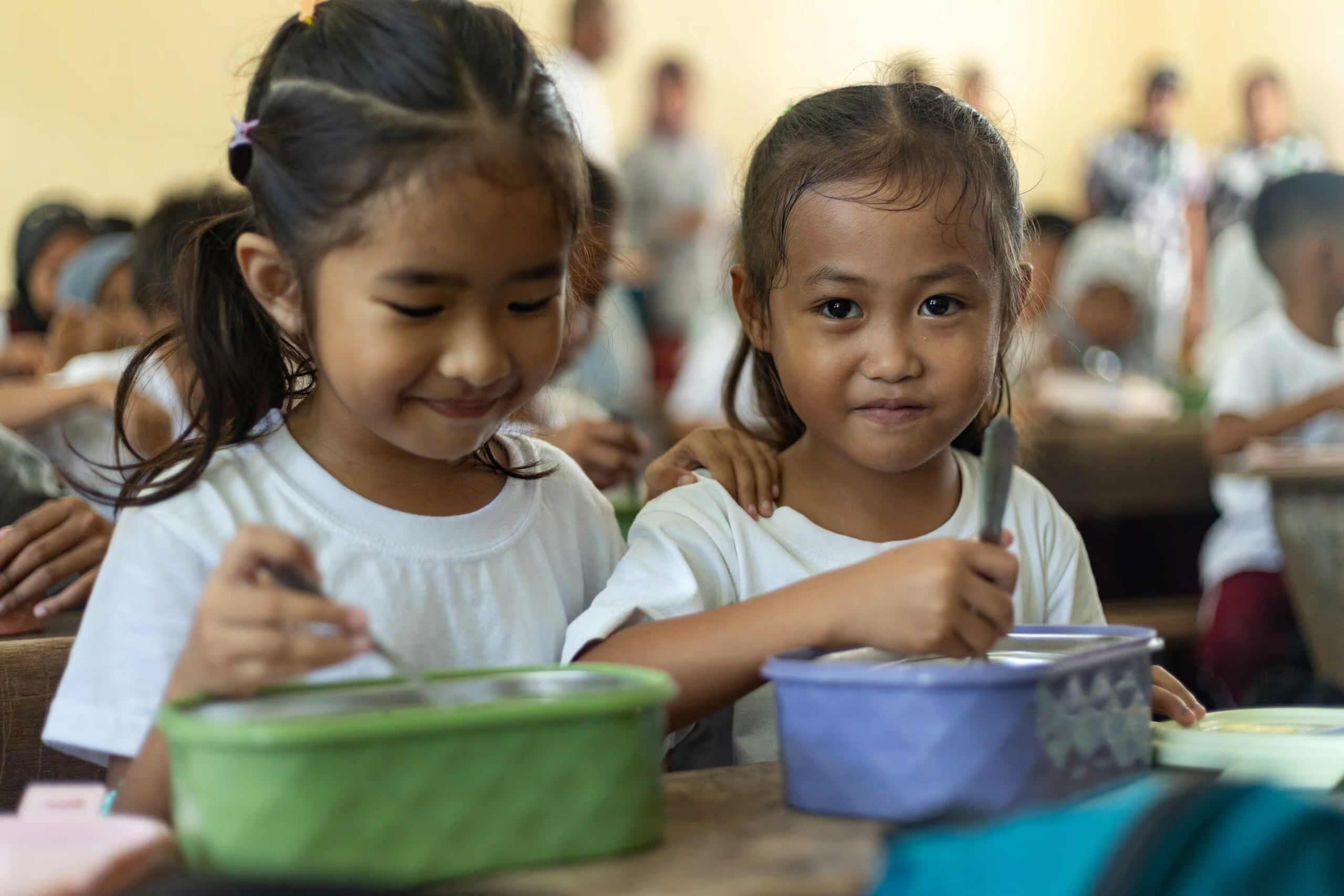
Through its homegrown school meals program, WFP provides students with daily, nutritious meals prepared from locally sourced produce. WFP also fortifies rice with iron to address vitamin and mineral deficiencies.
Nutrition
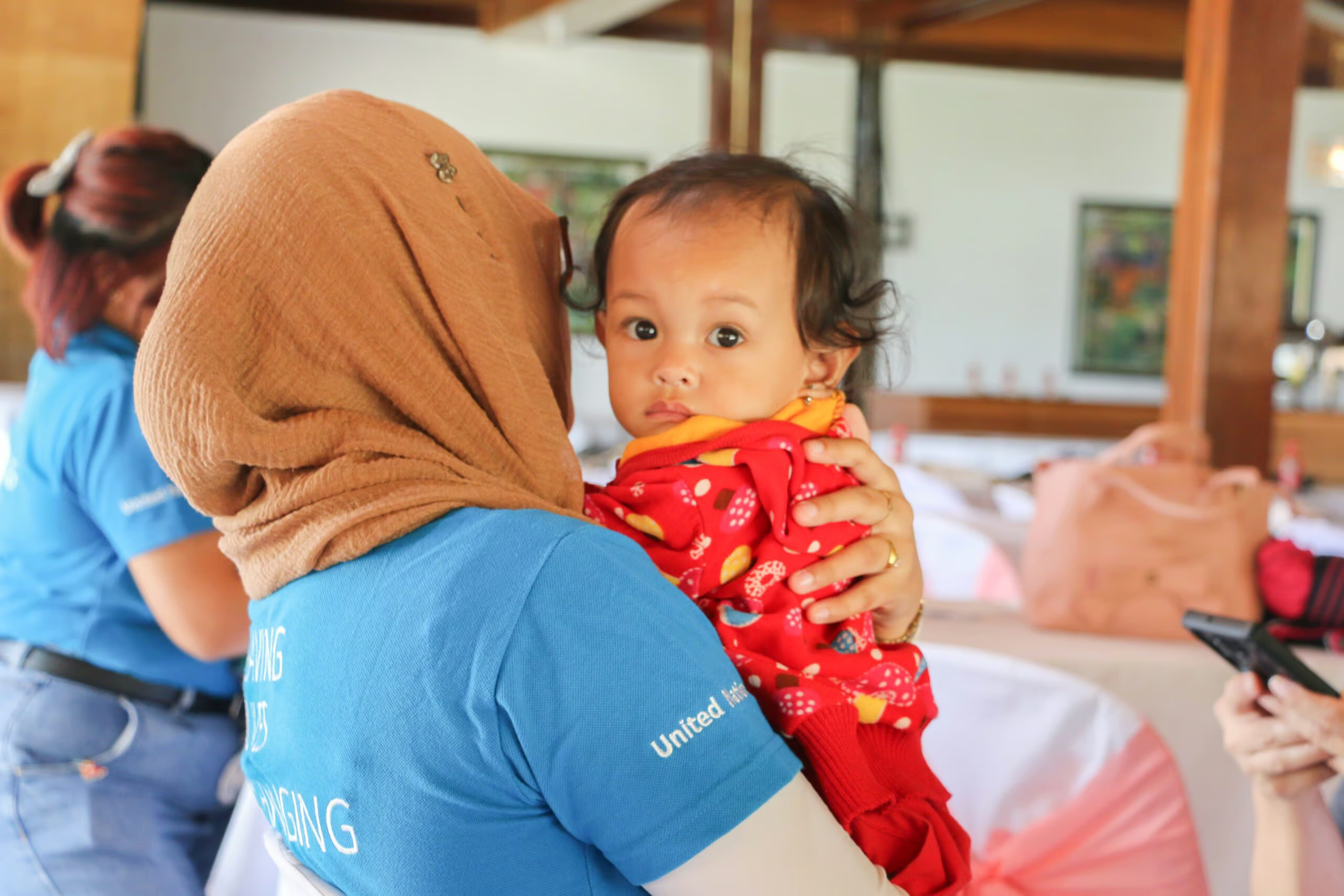
WFP provides technical support to the national government to prevent malnutrition among children and pregnant and breastfeeding women.
Latest News From The Philippines
- News Release
- November 10, 2025
- News Release
- January 7, 2022
- Blog
- December 23, 2021